The psychology behind this day
Whitman's WIIFM principle (Cashvertising, Ch. 4): Before exchanging anything of value — time, money, attention — every person asks the same unconscious question: "What am I going to get out of this?" Until they know the answer, they won't act. This is the foundational mechanism of all advertising and all buying decisions.
Fast · Emotional · Automatic
Snap judgments. Trust or suspicion. Where the decision actually happens.
Slow · Logical · Deliberate
Analysis. Justification. Only activates after System 1 already decided.
Cialdini's Uncertainty Principle (Pre-Suasion, Ch. 4): When people feel uncertain, they freeze. Uncertainty is not a neutral state — it's an aversive one. People will avoid action to avoid uncertainty. Your customer's default when they encounter your business is uncertainty, and your job is to remove it before asking them to buy.
Optional — go deeper (videos)
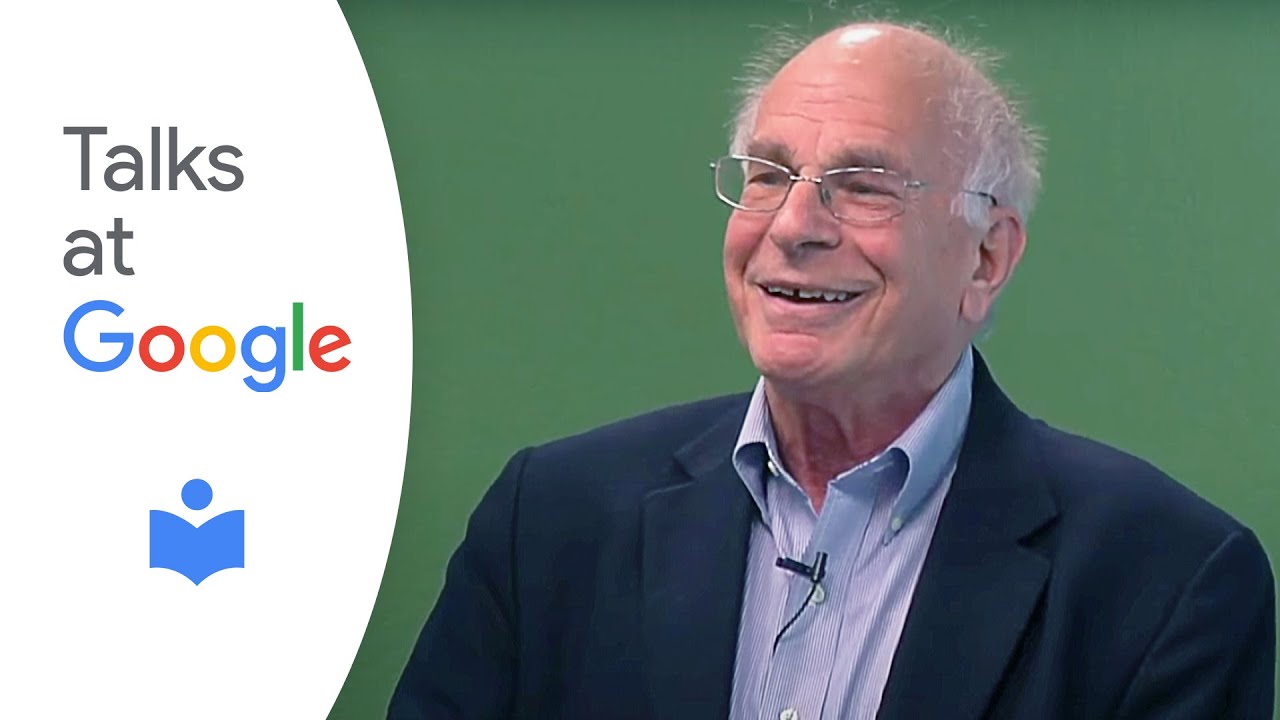

The Lesson
Fast · Emotional · Automatic
Trust or suspicion — instantSlow · Logical · Deliberate
Only activates after System 1Today's Exercise
Grab a pen and paper. No AI today — this is you and your business, unfiltered.
Your Purchase Reflection
Think about the last significant purchase you made — a service, a SaaS tool, a consultant, a piece of equipment. Answer honestly:
- What feeling made you lean toward buying? (Not the features. The feeling.)
- What almost stopped you? What risk or uncertainty did you feel?
- What finally pushed you over the edge? Was it logic — or was it something that removed the risk? (A testimonial, a guarantee, a trusted referral?)
Flip It — Your Business
- What feeling does a new customer have in their first 3 seconds encountering your business — whatever the touchpoint? This could be your website, your Instagram page, a Google Maps listing, a newspaper ad, a billboard, a WhatsApp message, a walk-in to your store, or a face-to-face meeting. The touchpoint varies by business, but the psychology is identical: System 1 makes a snap judgment, and everything after is filtered through that judgment.
- What risk or uncertainty might stop them from buying?
- What are you currently doing to eliminate that risk? Is it enough?
The mental model for recreating this in your business
Every customer touchpoint reinforces (or undermines) a psychological principle:
Billboard / Newspaper Ad
Pattern interrupt + curiosity gap
2 seconds to make someone care. Novelty triggers System 1 attention — if it looks like every other ad, it's invisible.
Social Media Post
Social proof + emotional hook
People scroll past 300+ posts a day. The ones that stop them trigger recognition ("that's me"), validation ("others trust this"), or curiosity.
Google Business Listing
Trust signals + proximity
Photos, reviews, star ratings — evaluated in under a second. A listing with 4 reviews loses to one with 47, even if the service is identical.
Walk-in / Face-to-Face
Halo Effect + warmth before competence
People evaluate warmth ("do I trust this person?") before competence ("is this person capable?"). Lead with curiosity about their problem, not your credentials.
TV / Video Ad
Emotional-to-logical sequence
Most effective ads open with a feeling — a problem the viewer recognises — and introduce the product only after the emotional connection is made.
The lowest-hanging fruit depends on your business, budget, and competition
Optimise GBP + Social
Free, high impact for local businesses. Photos, reviews, bio updates.
Run Test Ads
Use the PAS framework (Week 3). Small budget, learn fast.
Design Referral Message
Set expectations and build trust before they even contact you.
Blue Ocean Thinking
Find a channel, message, or format nobody in your category is using.
Write your answers down. Be honest — this is a private diagnosis, not a marketing exercise.
Optional: AI-Enhanced Analysis
Once you've set up your AI project folders on Day 2, run this prompt in your Strategy folder for systematic analysis alongside your gut-level insights.
"You are a consumer psychologist who specialises in purchase decision-making. I need you to analyse my business from my customer's perspective.
My business: [describe what you sell/do in 1-2 sentences]
My customers: [who they are — age, profession, situation]
How customers typically find me: [Google search, Instagram, referral, walk-in, etc.]
Using Kahneman's System 1/System 2 framework and Cialdini's principles of influence, do the following:
1. List the 3 most likely emotional barriers my customers face before buying (fear, uncertainty, scepticism, etc.) — be specific to my business.
2. For each barrier, name the psychological principle at play.
3. Identify what trust signals my customers are looking for before they'll commit.
4. Tell me: if you were my customer encountering my business for the first time at [their first touchpoint], what would make you hesitate?"
Output: A written self-assessment of the emotional experience your customers have when they encounter your business.
Share your progress: Tell someone what you discovered today — a friend, a colleague, or post it in the community. Even one sentence: "I realised my customers probably don't trust my website because ___." Sharing a small commitment today makes you significantly more likely to complete Day 2 tomorrow. This isn't motivational advice — it's Cialdini's consistency principle (Pre-Suasion, Ch. 10).